Chilat Doina
April 22, 2026
You hit seven figures and the business looks bigger from the outside, but your day still runs like a scrappy owner-operator shop. You approve bid changes between meetings, clear support tickets from your phone, answer supplier messages after dinner, and keep five tabs open because no one else has the full picture.
That setup can carry a store to early traction. It rarely carries it cleanly through the next stage.
The problem is not effort. It is founder dependence. Every exception flows back to you. Refunds, listing edits, stock checks, damaged shipment claims, ad decisions, and all the small operational calls that feel harmless on their own start consuming the hours you should spend on margin, product pipeline, channel risk, and team quality.
This is the delegation gap that shows up in a lot of growing ecommerce brands. Revenue climbs first. Process maturity usually lags behind. If you outsource in the wrong order, you create more noise. If you outsource in the right order, you get time back without losing control.
That sequencing matters.
Strong operators do not hand off work based on what they dislike. They delegate based on operational pressure. The first functions to leave the founder’s desk are usually the ones that demand daily touch, follow clear SOPs, and have measurable outputs. The founder keeps the decisions that shape cash flow, product direction, and risk tolerance. Execution gets assigned. Guardrails stay in-house.
That is the lens for this guide. It is not another generic list of tasks to outsource. It is the order I would use, and the order many experienced sellers use, once the business has enough volume for specialized ownership to pay for itself. For teams evaluating external ad support early in that process, this list of Amazon PPC agencies for growing sellers is a useful starting point.
Each section focuses on what gets delegated first, what KPIs to monitor, what a usable SOP should include, where hires tend to go wrong, and which warning signs mean the handoff is failing. That is how you move from founder-led hustle to an operating model that can scale.
Amazon ads are usually one of the first functions to leave the founder’s desk because they demand daily attention and punish emotional decision-making. Most founders start by managing bids themselves, checking spend too often, and making changes based on yesterday’s mood instead of a clear operating rule.
That works for a while. Then the catalog grows, launches overlap, branded and non-branded traffic blur together, and campaign structure gets messy. At that point, ads stop being a side task and become an operating system.
A specialist team or focused freelancer can manage Sponsored Products, Sponsored Brands, and Sponsored Display with more consistency than a distracted founder can. The win isn’t just optimization. It’s removing ad-account babysitting from your day.

The mistake is hiring someone to “run PPC” with no decision framework. A better approach is to hand over execution while keeping control of margin guardrails, launch priorities, and product ranking goals.
Tools like Perpetua, Adverity, and DataBox can help the outsourced operator work from a common dashboard. Agencies and specialists also matter here. If you’re sorting through providers, this roundup of top Amazon PPC agencies is a practical place to compare options.
What I’d want documented before anyone touches the account:
A weak PPC partner talks mostly about impressions, clicks, and “more visibility.” A strong one talks about search term isolation, budget allocation by intent, placement strategy, and when not to scale.
Practical rule: Don’t outsource judgment before you’ve outsourced reporting. If the person can’t show you a clean view of spend, sales, and search term movement, they shouldn’t control more budget.
A few signs the handoff is working:
A real-world scenario: a brand with a handful of hero SKUs often thinks it needs “better ads.” What it usually needs is cleaner structure. One specialist separates branded defense from generic acquisition, isolates ranking pushes from profitability campaigns, and gives the founder one monthly strategy call instead of a hundred micro-decisions.
That’s the point of outsourcing this early. Not to disappear from ads, but to stop being the one turning every knob.
Monday starts with 27 unread support emails, six Amazon buyer messages, three chargeback alerts, and two Instagram DMs about the same delayed order. The founder plans to work on pricing, inventory, and a new listing update, then loses the first two hours answering tickets. That is usually the point where support needs to be handed off.
At seven figures, customer service becomes an operating function, not a side task. The workload includes refunds, damaged shipments, order tracking, return routing, account access issues, marketplace messages, social inboxes, and the messy exceptions that pull attention away from higher-value work. Strong operators outsource this early because support volume creates interruption long before it creates a headcount problem.
The sequence matters. Founders should not hand off the whole customer experience at once. Start with repetitive, rules-based tickets. Keep policy decisions, public escalations, and defect signals close to leadership until the playbook is clear.
A practical split looks like this:
If fulfillment problems are driving a large share of tickets, fix the root cause too. A weak 3PL will bury your support team in “where is my order?” requests. Reviewing best ecommerce fulfillment companies often comes before scaling support headcount.
If you’re building coverage with remote talent, Hire LatAm Virtual Assistants is one option founders use when they want timezone overlap for live support work.
A good support hire does more than clear the queue. They should own response consistency, tag hygiene, escalation discipline, and repeat-contact reduction.
That requires a real SOP. Not a few canned replies in a Google Doc.
The minimum version is a one-page decision tree covering refunds, replacements, returnless refunds, warranty claims, missing packages, photo requirements, and when to escalate. Add brand voice rules, channel-specific constraints, and a list of phrases your team should never use on Amazon or other marketplaces. If support has to ask the founder how to handle the same issue twice, the SOP is incomplete.
Track a small set of KPIs from the start:
The trade-off is simple. Faster replies matter, but consistency matters more. A team that answers in 20 minutes and applies the wrong policy creates more cost than a team that answers in two hours and solves the issue cleanly the first time.
One example. An omnichannel brand gets the same complaint through Amazon, Shopify email, and Instagram DM. Without centralized support, three agents may issue three different answers, one offering a refund, one promising a replacement, and one asking the customer to wait. With one inbox, one order view, and one decision tree, the team applies one policy and closes the issue without multiplying confusion.
Red flags show up fast. Watch for agents who over-refund to avoid conflict, inconsistent tagging that hides product defects, slow escalations on public complaints, and templated replies that sound off-brand. If the outsourced team cannot tell you the top five ticket drivers by reason code, they are answering messages, not managing support.
This handoff works when the founder stops being the default inbox, the team follows policy without constant approval, and support data starts improving operations upstream. That is why experienced operators delegate support early. It gives time back, but beyond that, it turns customer issues into a system the business can run on.
The warning signs show up before the stock-out. Cash piles up in slow movers, your best SKU gets too close to zero, a container slips, and suddenly marketing, ops, and finance are all solving the same problem from different angles. The founder feels it as stress. The P&L feels it as missed sales, higher freight costs, and weaker inventory turns.
This is one of the first functions strong operators hand off because it sits at the center of momentum. One late reorder can cost revenue for weeks. One bad buy can tie up cash for a quarter.

A capable inventory operator owns the handoff between demand planning and physical movement of goods. That means they are not just checking stock counts. They are matching forecast to purchase orders, purchase orders to supplier timelines, supplier timelines to freight bookings, and inbound timing to channel demand.
In practice, that usually includes:
The best outsourced hires run this function on a weekly operating cadence. They send a decision memo, not a spreadsheet dump. A founder should be able to scan one update and know four things fast: what will run out, what is delayed, what is overbought, and what decision is needed today.
If fulfillment complexity is adding friction on top of inventory problems, this guide to best ecommerce fulfillment companies can help you evaluate partners that can support the operational side of the handoff.
Seven-figure operators do not hand over the full supply chain on day one. They sequence it.
Start with reporting and risk visibility. Give the hire read access to inventory, open POs, supplier timelines, and sales history. Have them produce a weekly stock risk report with clear flags by SKU. This stage proves whether they can spot problems early.
Next, give them supplier communication and inbound tracking. That removes a major founder time drain and exposes whether they can keep details tight across factories, forwarders, prep centers, and warehouses.
Only after that should they own reorder recommendations. Reorder decisions affect cash, margin, and service levels. A good operator earns that responsibility by showing judgment, not by claiming experience on a resume.
If you outsource inventory and supply chain coordination, track the metrics that show foresight, not just cleanup effort:
These numbers reveal the inherent trade-off. Carry too much inventory and cash gets stuck. Cut it too close and you pay for stock-outs, rush shipping, and broken launch plans. The operator’s job is to manage that tension, not pretend it disappears.
A general VA can update a tracker. That is not enough once you have multiple SKUs, supplier lead times, bundles, or more than one sales channel. You need someone who can connect demand shifts to purchase timing and call out risk before it hits the dashboard.
I look for three things. First, they ask for lead times, MOQ constraints, promo calendars, and channel mix without being prompted. Second, their updates end with decisions and recommendations. Third, they can explain why a reorder should move up, move back, or shrink.
Red flags are easy to miss early. They report what already happened. They never challenge optimistic sales assumptions. They accept supplier dates without verification. They treat every SKU the same instead of protecting the products that drive the business.
A simple SOP helps separate operators from task-doers. Your weekly inventory review should cover current stock, inbound units, confirmed production, days or weeks of cover, SKUs at risk, excess stock, and actions required by owner and due date. If that cadence is missing, the role turns reactive fast.
One scenario makes the difference clear. A brand pushes paid traffic to a hero SKU and sees strong sales. A weak inventory coordinator celebrates the growth and updates the sheet. A strong one spots that the companion SKU in the bundle is running low, warns that conversion and average order value will drop once the offer breaks, pulls forward the PO, and checks whether the warehouse can receive in time. That is supply chain coordination. It protects revenue before the problem shows up in Shopify or Amazon.
Founders should delegate this earlier than feels comfortable. Once the business has enough SKU complexity that one bad reorder can affect margin, ranking, and cash at the same time, this role stops being optional and starts being operating insurance.
A lot of founders keep listing work too long because it feels close to the product. That instinct makes sense. The problem is that listing upkeep is never “done.” Images change, keywords shift, competitors reposition, reviews reveal new objections, and marketplaces keep tightening standards.
If the founder remains the bottleneck for titles, bullets, A+ content, image briefs, and listing updates, the catalog ages in place. Sales teams call that drift. Ecommerce operators feel it as slower conversion and weaker launch velocity.
This function is ideal for outsourcing because it sits at the intersection of research, copy, compliance, and project management. One trained person or small specialist team can keep the catalog current while the founder keeps final say on positioning.
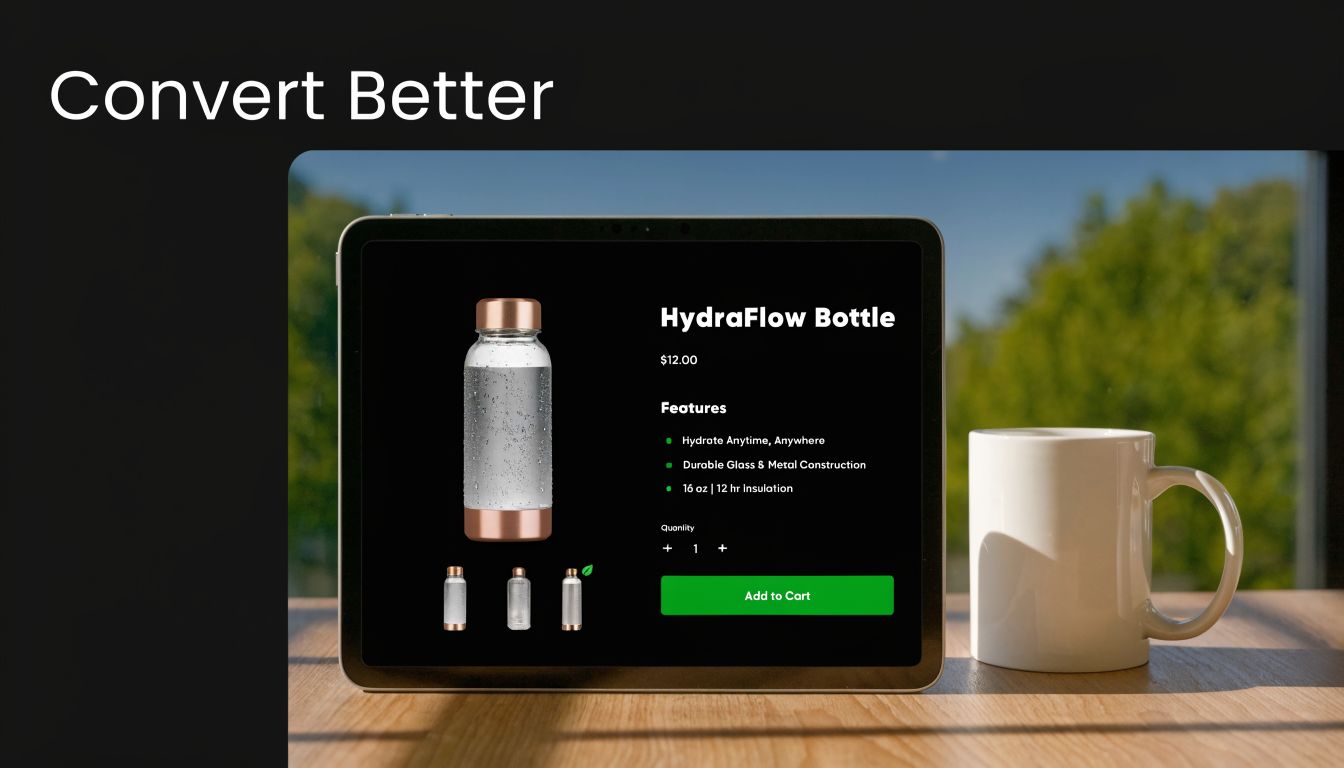
Don’t start with your whole catalog. Start with the products that already matter most. Your top revenue-driving SKUs deserve structured briefs, stronger media, and regular iteration. A junior freelancer with no product context won’t get that right on intuition alone.
Use a repeatable listing brief that includes:
Tools like Helium 10 can support keyword work, while Asana or Monday.com can keep revisions moving across copy, design, and approval. For larger catalogs, a dedicated content manager becomes more useful than a scattered group of freelancers.
Weak listing help rewrites copy. Strong listing help manages a conversion asset.
They pull customer language from reviews. They notice when a feature matters less than a use case. They coordinate photo updates with pricing shifts and inventory availability. They also know when not to change too much at once.
A listing isn’t just words on a page. It’s the sales rep you send into every search result.
A common scenario: a product has decent traffic but inconsistent conversion. The founder assumes the issue is ad targeting. A listing operator sees image sequence confusion, unclear bullet hierarchy, and a missing answer to the buyer’s main hesitation. Fixing that often matters more than another campaign tweak.
This should be delegated once your product positioning is clear enough to document. You shouldn’t still be resizing images, editing bullet points at midnight, or manually pushing updates across every channel.
Founders usually outsource content too late or too early.
Too late means the brand relies almost entirely on paid traffic and marketplace demand, with no owned content engine to support retention, launches, or brand memory. Too early means hiring writers and social freelancers before the business has a clear message, real customer insight, or a useful content workflow.
The first version that works is usually simple. Email first. Then repurpose into blog, short-form social, and campaign assets. That sequencing matters because owned channels are easier to control, easier to test, and easier to tie back to product priorities.
A lot of ecommerce brands don’t need a huge creative team. They need one reliable operator who can turn existing knowledge into consistent assets. That might be a freelance email marketer, a content manager, or a small agency with ecommerce experience.
Klaviyo, Mailchimp, and ConvertKit are common starting points because they make campaign scheduling and flow management easier. But the platform isn’t the advantage. The advantage is turning scattered founder insight into repeatable communication.
The outsourced content lead should pull from real operating inputs:
The cleanest first delegation is lifecycle email. Welcome series, post-purchase education, review requests, replenishment prompts where relevant, and campaign calendars around launches or seasonal pushes. Those assets compound and don’t require the founder to be in the weeds every week.
After that, blog content and social repurposing become easier because the core message is already sharpened. One strong email often becomes a blog outline, several social posts, and a creative brief for ad testing.
A real-world scenario: a DTC brand has a founder with strong product knowledge but inconsistent publishing. An outsourced content operator interviews the founder once a month, reviews support themes, drafts the email calendar, repurposes each campaign into social content, and keeps the brand visible without requiring daily founder involvement.
The best outsourced content teams don’t invent your brand voice. They capture it, organize it, and ship it on schedule.
This function shouldn’t replace strategy. It should remove the execution burden that causes most brands to publish in bursts and disappear in between.
A founder checks yesterday’s sales, sees a strong top line, and approves a reorder. Two weeks later, cash gets tight because ad spend rose, returns climbed, Amazon held more in reserve, and freight hit in the same window. Revenue looked healthy. The business was thinner than it appeared.
That is usually the point where seven-figure operators stop treating finance as cleanup work and start treating it as operating infrastructure.
The first handoff is not a CFO. It is accurate bookkeeping with ecommerce-specific reporting and a monthly close that lands fast enough to guide the next decision. If the books are 30 days late, they are compliance records, not management tools.
For this role, generic small-business bookkeeping is rarely enough. Amazon and omnichannel sellers need someone who can reconcile settlements, map fees correctly, track reserve balances, separate refunds from chargebacks, and tie ad spend back to channel margin. If you need hiring support, Hire Bookkeepers is one route founders use to find dedicated bookkeeping help.
Start with the work that removes blind spots and founder error:
The sequence matters. Strong operators usually outsource transaction accuracy first, then reporting, then planning. Skip that order and you get polished advice sitting on bad data.
QuickBooks Online or Xero can work. The software matters less than the review cadence and the chart of accounts behind it.
I want three outputs every month, delivered on a set date:
A useful SOP here is simple. Reconcile all accounts by the 10th. Close books by the 15th. Review channel P&Ls with the founder or operator lead within 48 hours. Flag any variance above a set threshold, such as a fee increase, margin drop, or return-rate jump on a hero SKU.
Tax planning belongs in this system, not in a rushed call near filing deadlines. Founders who build wealth outside the business usually get there because they tighten this layer early. That includes entity structure, payroll setup, owner compensation, and family employment where appropriate. This guide on how and why you should put your children on payroll to save $12,000 a year is the kind of planning detail many operators miss until a sharp accountant points it out.
If you outsource finance and still cannot answer basic money questions in five minutes, the handoff is failing.
Track these first:
Red flags are easy to spot once you know what to look for. Reports arrive late every month. Marketplace fees sit in one vague expense bucket. Inventory deposits are missing from cash planning. Ad spend is visible, but no one can show whether the spend produced acceptable contribution margin. Those are not small misses. They lead to bad purchase orders, avoidable cash crunches, and tax surprises.
Good finance outsourcing gives the founder a faster decision loop. It should answer, with evidence, where cash is going, which channels deserve more inventory, and which SKUs only look profitable until fees and returns are included.
The payoff is clarity. Operators stop running the business off bank balance and sales screenshots, and start making decisions from clean numbers, on time.
Most founders think they can’t outsource product development because it’s “too core.” They’re half right. You shouldn’t outsource product vision. You should outsource the operational machinery around sampling, supplier follow-up, specification control, inspection, and quality tracking.
That distinction matters.
When quality starts slipping, the damage rarely stays inside operations. It hits reviews, support load, return rates, replacement costs, ad efficiency, and brand trust all at once. The founder who tries to manage all sourcing communication personally usually becomes the choke point for every revision, sample approval, and production delay.
A sourcing manager, product developer, or external specialist should own the process around the product, not the strategic call on what to build next. Their job is to keep suppliers aligned and quality consistent.
That usually means:
In categories with more compliance sensitivity or lower tolerance for defects, this becomes even more important. The founder still makes the final product call, but someone else makes sure the execution doesn’t drift.
Outsourcing this function slows down some decisions at first. That’s normal. You’ll spend time creating clearer specs, documenting acceptable quality, and teaching someone how you evaluate samples.
But that short-term friction is worth it because undocumented quality standards are where most scaling brands get hurt. “Looks good to me” is not a system. Neither is relying on the supplier’s understanding of your brand promise.
A practical scenario: a private label seller in home goods gets inconsistent packaging from a manufacturer. The product itself works, but dented boxes trigger support tickets and negative reviews. A founder may shrug and reorder. A real QC operator updates packaging specs, requires photo confirmation before shipment, logs each defect, and forces the supplier to meet a documented standard.
Quality control becomes a competitive advantage the moment your competitors treat it like an afterthought.
This is one of the last functions in this sequence for a reason. You need enough sales, enough repeat production, and enough supplier activity for the handoff to matter. But once it does, it protects the brand far more than most founders realize.
| Service | 🔄 Implementation Complexity | ⚡ Resource Requirements | 📊 Expected Outcomes | 💡 Ideal Use Cases | ⭐ Key Advantages |
|---|---|---|---|---|---|
| Amazon PPC Management & Advertising Strategy | High, ongoing optimization; 30–60 days to mature | Agency/tools + ad budget; $2k–10k+/mo; access to real-time data | 10–30% ad efficiency ↑; 5–15% unit profitability ↑; immediate visibility lift | 7-figure sellers relying on paid channels; rapid revenue scaling | ⭐ Immediate top-line impact; improves ROAS 20–40%; scalable; frees founders |
| Customer Service & Support Operations | Medium, significant SOPs and QA; initial setup intensive | Outsourced/onshore teams; Zendesk/Gorgias; 24/7 possible; training required | Improved CSAT; Amazon feedback +0.1–0.3; ~80+ hours/month freed | Growing sellers with rising ticket volume; reputation protection | ⭐ Prevents suspensions; improves feedback; scalable coverage and insights |
| Inventory Management & Supply Chain Coordination | High, forecasting, lead-time and 3PL coordination required | Forecasting tools, 3PLs, inventory manager; upfront tooling/integration cost | 15–25% inventory turnover ↑; $10k–100k+ freed from overstock; fewer stockouts | Multi-SKU or omnichannel sellers; cash-flow sensitive operations | ⭐ Prevents stockouts/overstock; improves cash flow; reduces storage fees |
| Product Listing Optimization & Content Management | Medium, SEO + creative workflow; slower ROI than ads | Copywriters, designers, keyword tools; pro photography budget | 5–15% conversion rate ↑; 10–30% organic traffic ↑ over 6 months | Sellers aiming to reduce ad reliance and improve conversion | ⭐ Better organic visibility; higher conversion; A+ Content lifts conversions |
| Content Creation & Brand Marketing (Blog, Email, Social) | Medium-High, consistent, long-term production; 3–6 months to compound | Writers, designers, email/CMS (Klaviyo, HubSpot); editorial calendar | 20–40% email revenue ↑; 50–200 organic visits/post after 6 months | DTC brands focused on retention, LTV and organic growth | ⭐ High long-term ROI; compounds over time; improves retention & LTV |
| Financial Management, Bookkeeping & Tax Planning | Medium, integrations and compliance; ongoing reconciliation | Ecommerce CPA/bookkeeper; QuickBooks/Xero; monthly fees $1.5k–5k+ | 10–25% tax savings; 8–15 hours/month freed; full profitability visibility | 7-figure multi-channel sellers needing clean books and tax planning | ⭐ Reduces audit/tax risk; enables data-driven decisions; fundraising-ready |
| Product Development & Quality Control (Sourcing Oversight) | High, supplier vetting, inspections, regulatory compliance | Sourcing agents, inspection services (SGS/TÜV); travel/coordination | 30–50% fewer quality issues; 5–10% cost reduction; 10–20 hours/month freed | Private label and regulated-category brands scaling SKUs | ⭐ Prevents quality disasters; ensures compliance; enables product innovation |
Monday starts with three stock alerts, two refund escalations, an ad account issue, and a supplier asking for approval before production slips another week. Revenue is up, but the founder is still the routing layer for every problem. That is the ceiling between six figures and seven. Growth stalls when too many decisions still require the owner.
The operators who scale cleanly do not outsource in a random order. They hand off work in sequence. First, the functions that create daily interruptions. Next, the ones driven by repeatable decisions and clear KPIs. Last, the roles that need stronger context, judgment, and tighter integration with brand strategy. That is the difference between hiring for relief and building an operating model.
The point is not to get everything off your plate. The point is to remove founder dependency from the parts of the business that should already run on SOPs, dashboards, and review cadences.
That is why strong outsourcing is an execution decision, not a vanity move. The best hires give you speed, sharper specialization, and cleaner ownership. The weak hires give you more Slack messages, more rework, and a new layer of confusion. I have seen both. The difference usually comes down to handoff quality.
Start with the bottleneck that keeps pulling you back into the weeds. If PPC still needs your daily intervention, outsource media buying with clear guardrails on TACoS, contribution margin, and testing cadence. If support keeps hijacking the team, hand off customer service with macros, escalation rules, and a target first-response time. If inventory mistakes keep breaking momentum, move supply chain coordination up the list and track stockout rate, reorder accuracy, and landed margin by SKU.
Rising operators make the jump, ceasing to ask, "What can I delegate?" and beginning to ask, "What sequence removes the most risk and returns the most owner time without hurting control?"
Before you hire, build three things:
Without that structure, outsourcing turns into task dumping. The contractor stays busy, but the founder still owns every meaningful decision. That is not delegation. It is expensive assistance.
Good operators also separate task ownership from decision rights. A support lead can own response quality and escalation handling. They should not rewrite your refund policy without approval. A PPC manager can own bid strategy and test velocity. They should not set profitability targets in a vacuum. Clean lines matter.
The end goal is not a hands-off business; that phrase hides neglect. The goal is a business where the founder spends time on product direction, channel strategy, capital allocation, key hires, and partnerships. That is the architect role. Fewer reactive tasks. Better decisions. More time spent on moves that change the next 12 months, not the next 12 minutes.
That shift rarely happens in one hire. It happens through sequenced delegation, documented processes, and tighter operating discipline. The sellers who get there first are not the ones outsourcing the most. They are the ones outsourcing in the right order.
If you're ready to scale with sharper operators, vetted service providers, and hard-won playbooks from founders who’ve already built through these delegation bottlenecks, Million Dollar Sellers is where serious ecommerce entrepreneurs go to grow smarter.
Join the Ecom Entrepreneur Community for Vetted 7-9 Figure Ecommerce Founders
Learn MoreYou may also like:
Learn more about our special events!
Check Events