Chilat Doina
September 28, 2026
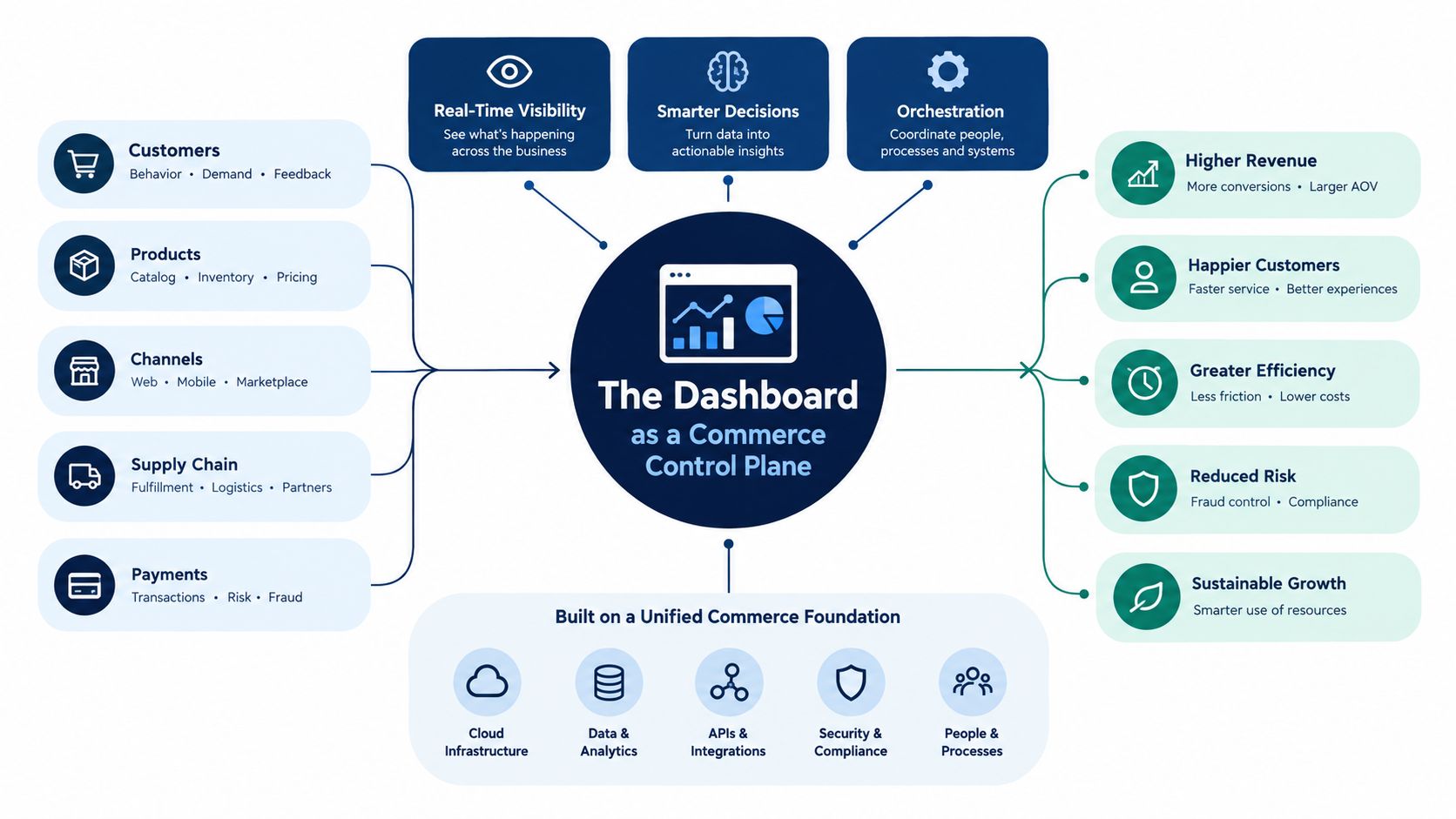
The popular advice is to treat TikTok Shop Seller Central like a faster version of Shopify: upload a catalog, connect payments, wait for creators, and let the algorithm do the rest. That approach works only until demand arrives. At scale, Seller Central behaves less like a storefront and more like a governance system for catalog data, fulfillment, paid traffic, and account access.
That distinction changes how an established brand should operate. A viral product can create demand quickly, but missed scans, inconsistent inventory, weak documentation, or inaccurate product data can turn that demand into cancellations and enforcement. The brands that last don't treat TikTok Shop as an experimental sales channel. They build controls around it.
TikTok Shop Seller Central presents listings, orders, promotions, and analytics in one interface. That convenience can hide the operating risk. The platform governs marketplace access, catalog quality, fulfillment performance, and continued use of commerce features. For an established brand, Seller Central is a strict governance layer for multichannel commerce, not a lightweight listing tool.
The platform's admission standards make that clear. Between January and June 2025, TikTok reported that 1.4 million seller registration applications were declined for failing to meet TikTok Shop standards (TikTok Shop's seller education materials). Approval therefore belongs in the commercial launch plan. Verification, accurate product data, documented processes, and fulfillment capacity must be ready before demand reaches the account.
Operator's view: Treat approval as a dependency for revenue, not an administrative milestone. A brand that cannot prove who owns the account, what it sells, and how it ships is not ready to scale on the channel.
A conventional ecommerce backend helps publish products and process orders. Seller Central also monitors whether the business can keep using important commerce functions. Its Account Health Rating begins at 200, with declining thresholds that can restrict listings and campaign participation (TikTok's Account Health framework).
Operational weaknesses can therefore become commercial constraints. A product may attract attention while the warehouse fails to produce valid tracking, the catalog contains conflicting attributes, or customer issues remain unresolved. Viral demand does not offset those failures. It can expose them faster.
TikTok Shop also needs to fit a broader channel-control system. A brand selling through TikTok Shop, Amazon, and Walmart needs consistent product, pricing, and availability data rather than disconnected manual checks. A resource such as Scrapeway's Walmart scraping API can help structure external marketplace data for channel analysis. It does not replace the controls enforced inside Seller Central.
Run TikTok Shop as a curated multichannel operation. Assign ownership for catalog governance, warehouse execution, customer support, and account health. Define escalation rules and inventory safeguards before a creator-driven spike arrives. Those controls reduce the risk that one stockout, tracking failure, or inaccurate attribute triggers cancellations or enforcement.
The practical test is simple: can the business absorb sudden demand without breaking platform rules or starving other channels? Founders who answer that before scaling have a stronger path from attention to repeatable revenue.
TikTok Shop account setup is a governance test, not a formality. Business verification, document upload, and banking setup are required before sellers can use its commerce products. If the legal entity, submitted records, and payout account do not align, the launch stalls before merchandising or creator activity begins.
Prepare the full record set before submitting the application. The seller entity, registration details, authorized representative, and payout account should identify the same business throughout. Give finance or legal ownership of the source documents, then provide ecommerce staff with approved copies. This prevents an operations coordinator from discovering inconsistencies during onboarding.
Start with identity. Confirm that the selling entity will receive payouts and carry marketplace responsibility. Then control the documentation. Store current business records in a restricted folder, use clear filenames, and assign one owner for updates. Validate the payout destination before the launch plan assumes revenue can flow.
Treat onboarding support as part of the launch plan. TikTok's New Seller Kickstart Program lasts 120 days, and new sellers are expected to receive support within 3 days after successful registration. Those windows matter because early mistakes often occur while the team is still learning Seller Central's requirements and operating routines.
Build a launch file with approved entity information, banking confirmation, product ownership records, shipping configuration, escalation contacts, and a change log. Its purpose is operational control. Each person should work from the same approved business record, rather than interpreting the account independently.
Review these TikTok Shop seller requirements before submitting. Use the guidance as a checklist, then confirm the final requirements inside Seller Center for the target market, since regional rules and platform processes can change.
Do not load the full catalog immediately. Start with products whose supply, claims, packaging, and fulfillment process the team can defend. Account approval only opens the channel. The real test begins when the first order creates a deadline and a compliance obligation.
A price changes in Seller Central on Tuesday. By Wednesday, a paid campaign may still show the old variant. That mismatch can waste spend, confuse shoppers, and expose a deeper operating problem: the catalog, advertising, inventory, and compliance systems are not using the same approved product record.
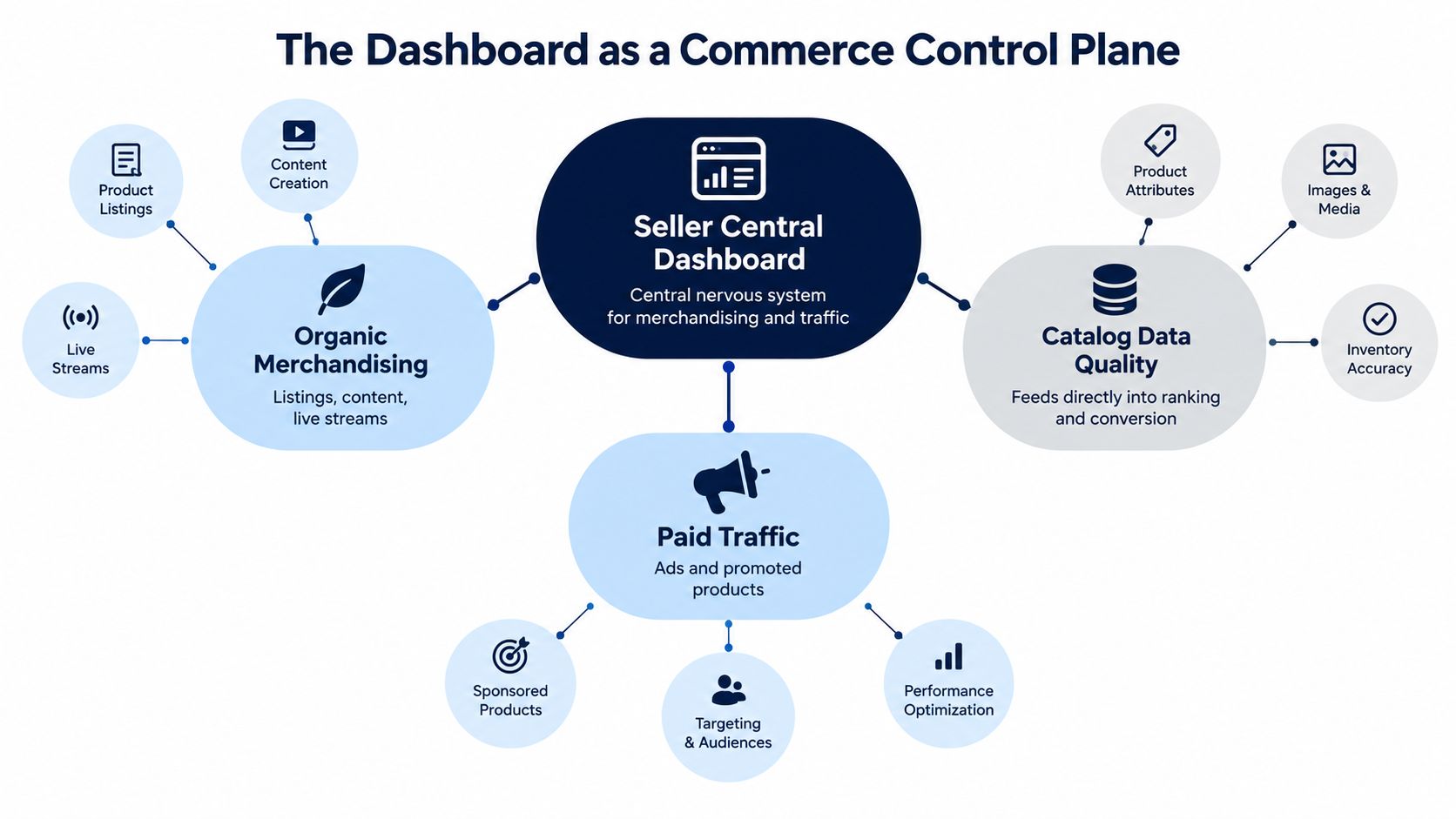
Seller Central should function as the source of truth for that record. Product information stored there can feed TikTok commerce surfaces and paid distribution, so catalog accuracy affects more than the storefront. It also influences how products appear in the TikTok feed, Shop tab, and Search through Product Shopping Ads (TikTok Shop Ads onboarding). Creative can be drawn from the Product Details Page instead of rebuilt separately in Ads Manager. The page therefore serves as both a conversion asset and a controlled media input.
A scaled team should review every listing for shopper persuasion, data completeness, eligibility, and consistency. Start with product identity. The title, category, brand, variant names, images, and description must describe the same item. Check the attributes TikTok uses to classify and distribute the product. Missing or conflicting details create uncertainty in discovery, paid placement, and fulfillment workflows.
Use this audit:
Separate catalog and advertising records create version-control risk. A price changes, a variant is discontinued, or an image is replaced, yet the campaign may continue using outdated information. The problem becomes harder to detect as more channels, agencies, and operators make independent edits.
Improve the product page first, then send paid traffic from the maintained catalog. This keeps organic merchandising, Shop placement, Search visibility, and advertising aligned while reducing duplicate maintenance.
For founders, catalog governance deserves the same operating attention as creative production. Strong videos cannot compensate for contradictory product data, unsupported claims, or variant records that do not match available stock. Treat Seller Central as a governance layer across channels, with approval ownership, change control, and regular audits. That discipline reduces the chance that a catalog error becomes a performance issue or contributes to an account freeze.
Fulfillment exposes whether TikTok Shop Seller Central is merely connected to your warehouse or governing it. The platform evaluates order status, tracking events, and completed delivery, so a warehouse management system and carrier handoff must generate valid evidence on schedule. A shipment that leaves the building without the right scan can still become a platform exception.
For regular orders, sellers must mark an order In Transit within 2 business days of Awaiting Shipment. Tracking must be added before the platform's 5-business-day auto-cancellation point, and delivery must be completed within 6 business days (TikTok Shop fulfillment guidance).
Configure the order feed around risk, not just arrival time. A same-day pick queue handles fresh orders, an exception queue isolates missing tracking, and a carrier-scan queue highlights shipments that need intervention. These controls create a clearer operating path than one undifferentiated list.
| Milestone | Timeframe | Consequence of Failure |
|---|---|---|
| Mark order In Transit | Within 2 business days of Awaiting Shipment | Increased risk of performance problems and shipping ineligibility |
| Add tracking | Before 5 business days | Platform auto-cancellation risk |
| Complete delivery | Within 6 business days | Delivery performance and account-health exposure |
Set a handoff standard that includes a carrier acceptance scan. A label printed Friday night with no Monday scan leaves the order exposed, even if the parcel is physically waiting for pickup. US seller-shipping also requires valid tracking to be uploaded within the selected handling time. Weak tracking compliance can trigger penalties and remove preferred shipping options.
The relevant question isn't “Did we ship it?” It's “Did TikTok receive a valid, timely tracking event that proves the order is moving?”
Longer handling windows give warehouse teams more flexibility, but they reduce the margin before cancellation and can weaken eligibility for preferred shipping treatment. Faster handling creates room for carrier delays, inventory exceptions, and weekend effects. That buffer matters more as order volume rises across channels.
Review the workflow daily. Compare Seller Central's order status with the 3PL's shipment file, then investigate mismatches before they age into violations. Use these order fulfillment process steps as a process reference, while adapting each control to TikTok Shop's deadlines.
Seller Central should receive the same operational discipline as the warehouse: ownership for exceptions, scan validation, and escalation before an SLA expires.
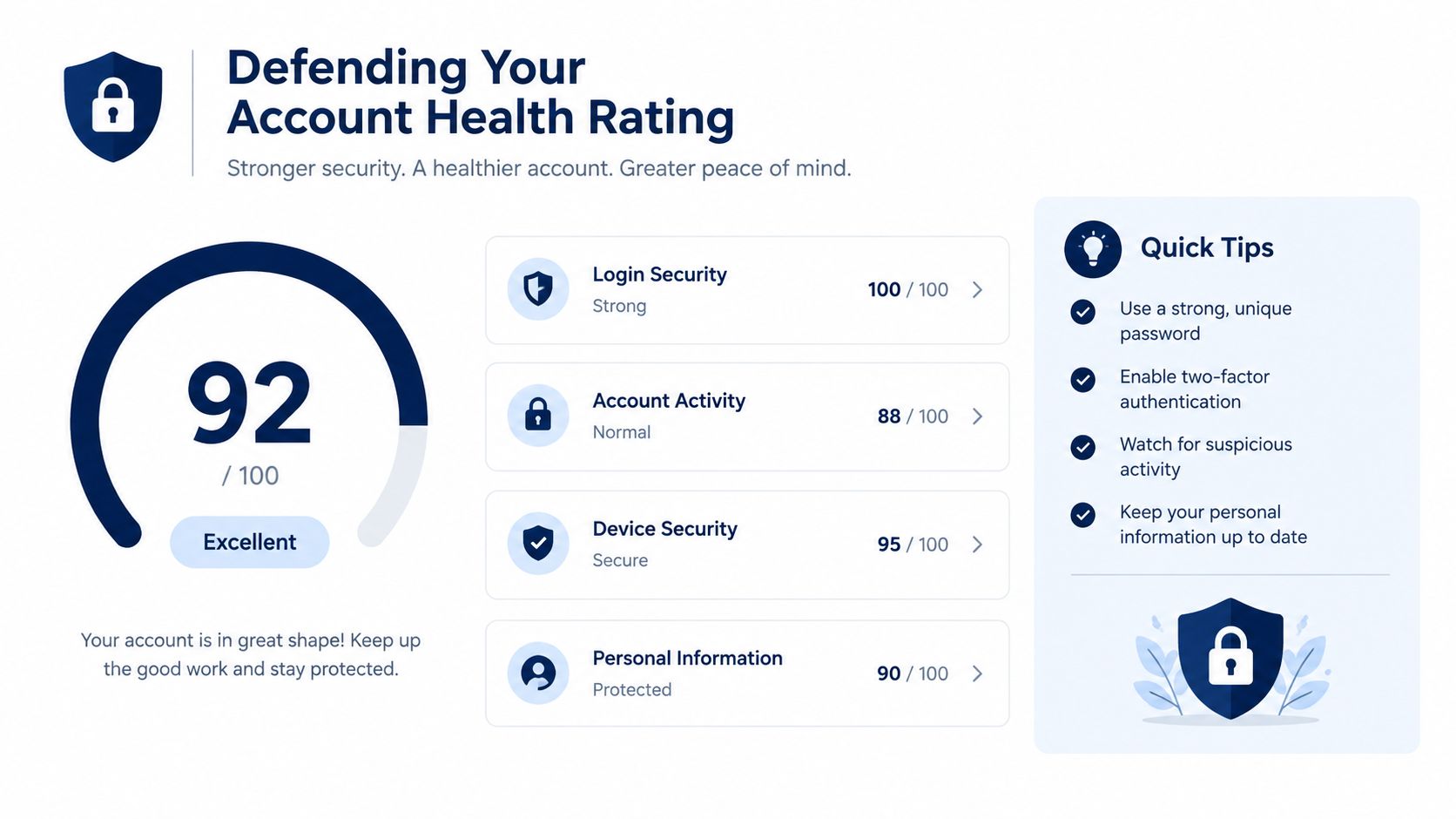
Account health is a governance control for the entire TikTok Shop operation. Sellers start with an Account Health Rating of 200, and enforcement intensifies as the score falls through 150, 100, 50, or 0, according to TikTok's risk and compliance framework.
These thresholds can restrict new listings and mega campaign enrollment, including 7-day or 14-day freezes. At 0 points, permanent deactivation is possible. The response can vary with the platform's rules and the violation involved, so operators should not treat the rating as spare capacity for aggressive growth.
A weekly review leaves too much time for small failures to become account restrictions. Assign daily ownership for order exceptions, tracking failures, cancellations, returns, customer complaints, and listing enforcement. The channel owner should know the current rating and the operational event most likely to reduce it next.
Use an internal alert ladder:
This structure makes Seller Central part of the company's governance layer, not a dashboard someone checks after a penalty arrives.
Mega campaign enrollment and new listing access directly affect launch timing. A restriction can prevent the team from introducing a product or promotion during a seasonal demand window. The lost contribution can exceed the immediate cost of one operational error.
Keep evidence for every appeal and correction. Store order identifiers, carrier details, catalog changes, and customer-service resolutions in a shared case file. Documentation cannot prevent every enforcement action, but it gives the team a consistent response while access is still under review.
Protect the rating before increasing promotional volume. A multichannel operation should also maintain an inventory and compliance buffer, because viral demand is valuable only when the account can keep selling.
TikTok Shop Seller Central is not a simple listing tool. It is a strict governance layer between viral demand, inventory commitments, and compliance exposure. Demand can accelerate around a creator, video, or live event while replenishment remains slow and other channels sell at a different pace. The operating challenge is to respond quickly without letting a short spike rewrite the brand's inventory plan.
TikTok Shop has introduced Pre-Order and Made-to-Order activation directly in Seller Center. Storage fees for inventory stored up to 270 days have been reduced by 14% to 43% (Sara Analytics' analysis of TikTok Shop Seller Center). These options support more deliberate inventory models, but they do not remove the need for accurate availability, realistic handling times, and clear customer expectations.
A video gaining traction is a signal, not a factory order. Keep three views separate:
This separation gives the team a decision framework. Increase production when the signal holds, activate pre-orders when supply is constrained, or limit promotion when fulfillment capacity is exposed. It also prevents a viral anomaly from pushing expensive inventory into the business without evidence that demand will persist.
Seller Central data may not align cleanly with the ERP, warehouse system, finance records, or attribution model used for Amazon, DTC, and retail. That mismatch is a planning risk, especially when orders and creator activity move faster than reconciliation workflows.
Run a channel-level reconciliation process. Compare Seller Central orders, cancellations, returns, and inventory movements with the broader operating records. Where attribution is incomplete, label the uncertainty instead of assigning false precision to a campaign or creator. The same discipline helps identify whether a stockout came from demand, allocation, delayed synchronization, or a catalog error.
Viral demand deserves a fast response, not an automatic forecast.
For an 8-figure brand, the objective is not to eliminate inventory risk. Make the risk explicit, assign decision rights, and use Seller Central's planning controls without abandoning the wider economics of the catalog. A multichannel inventory and compliance buffer protects the ability to keep selling when demand arrives faster than the supply chain.
TikTok Shop Seller Central is a governance layer, not merely a listing screen. Safe growth requires clear ownership for commercial performance, catalog integrity, fulfillment execution, and account health. A small team can cover these functions, but the decision rights must remain explicit.
Before launch, verify the entity, documents, bank setup, product claims, variant mapping, inventory source, and carrier process. Make the catalog owner sign off before paid traffic begins.
Each morning, review orders approaching their fulfillment deadlines, missing tracking events, inventory discrepancies, and account-health notices. Route exceptions to a named person, with a resolution deadline.
Each week, reconcile Seller Central orders against the warehouse and finance systems. Review products with stock risk, products with policy concerns, and campaigns that depend on catalog fields likely to change.
Before a promotion, confirm available inventory, replenishment timing, warehouse capacity, customer-support coverage, and the product page used by ads. A promotion is an operational commitment, not just a marketing setting.
Repetitive catalog, order, and customer-service work can be assigned to the best place to hire Latin American virtual assistants, while internal operators retain compliance approvals and escalation authority.
Run the dashboard alongside the ERP, 3PL, customer-support platform, and advertising stack. The TikTok Shop agency can support strategy or execution, but the brand still owns product data, inventory promises, access controls, and account decisions.
Million Dollar Sellers is an invite-only community where established ecommerce founders compare strategy, operations, profitability, and execution across Amazon, DTC, and omnichannel brands. Its discussions can help operators compare channel-governance playbooks without separating TikTok Shop growth from broader business discipline.
Keep a documented owner for every approval, integration, and exception queue. That structure reduces the chance that a catalog error, inventory mismatch, or missed policy notice becomes an account freeze.
Visit Million Dollar Sellers to assess whether its peer community fits your next stage of TikTok Shop growth.
Join the Ecom Entrepreneur Community for Vetted 7-9 Figure Ecommerce Founders
Learn MoreYou may also like:
Learn more about our special events!
Check Events


.png)